
Kicking off with The Role of Telomere Lengthening in Achieving Ultimate Longevity Goals, this opening paragraph is designed to captivate and engage the readers, providing a glimpse into the fascinating world of telomeres and their impact on longevity.
Moving on to explore the mechanisms behind telomere lengthening and its crucial role in achieving ultimate longevity goals.
Telomere Lengthening Mechanisms
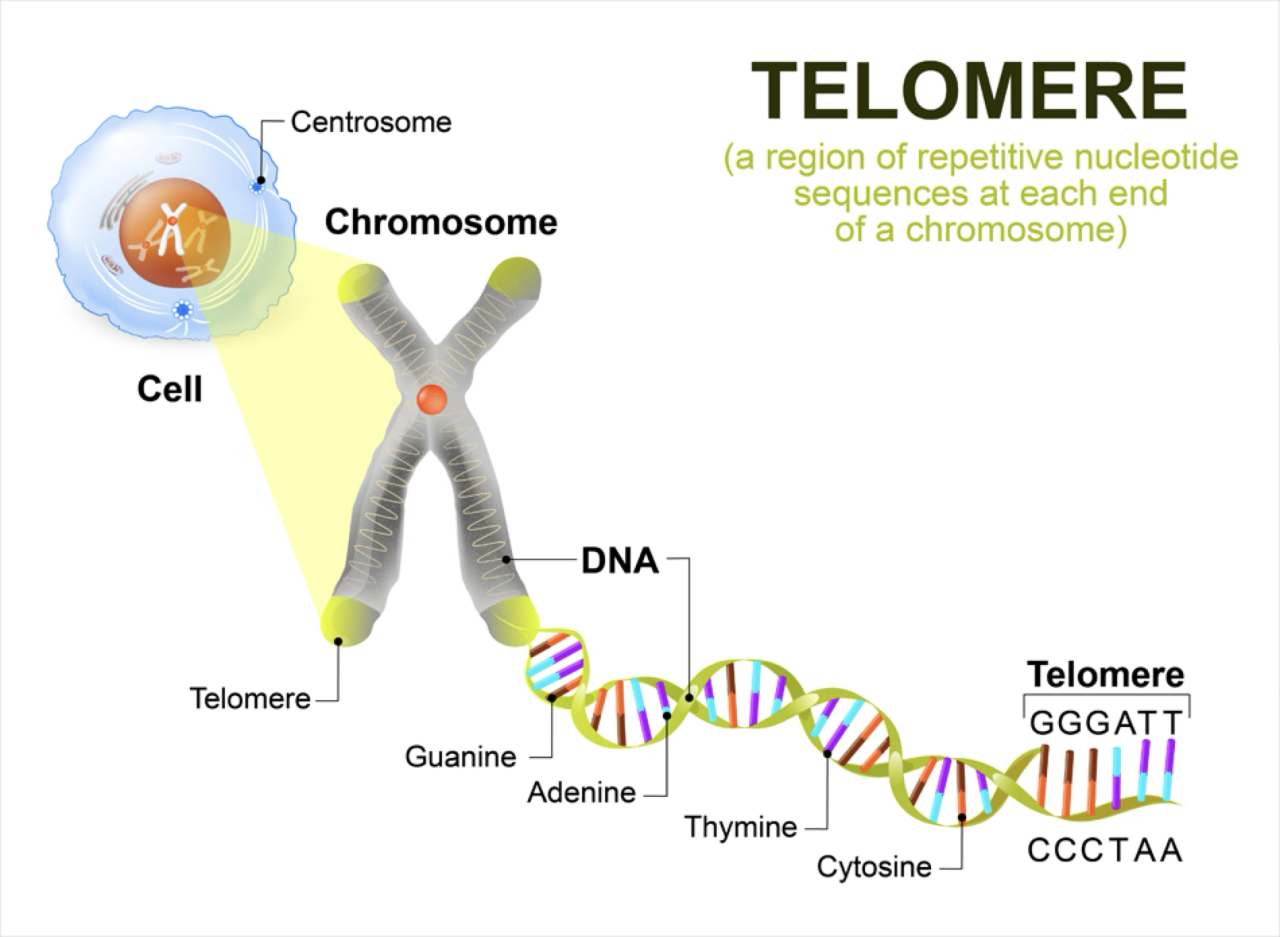
Telomeres, the protective caps at the end of chromosomes, play a crucial role in cellular aging and longevity. Maintaining telomere length is essential for preserving cell function and preventing premature aging. One of the key mechanisms involved in telomere lengthening is the enzyme telomerase.Telomerase is responsible for adding repetitive nucleotide sequences to the ends of chromosomes, counteracting the natural shortening of telomeres that occurs with each cell division. This process helps maintain the stability and integrity of the genome, allowing cells to continue dividing and functioning properly.Telomerase in Lengthening Telomeres
Telomerase is highly active in stem cells, germ cells, and certain immune cells, where continuous cell division is necessary. These cells rely on telomerase to prevent telomere shortening and maintain their proliferative capacity. In contrast, most somatic cells have low levels of telomerase activity, leading to gradual telomere erosion and eventual senescence.By reactivating telomerase in somatic cells, researchers have explored the potential of extending cellular lifespan and promoting tissue regeneration.
Alternative Methods for Telomere Lengthening
In addition to telomerase, there are alternative methods for telomere lengthening in cells. One approach involves the use of small molecules or compounds that can stimulate telomerase activity or inhibit telomere shortening pathways. These compounds may offer potential therapeutic strategies for age-related diseases and conditions.Natural vs. Artificial Telomere Lengthening
Natural telomere lengthening processes rely on the intrinsic mechanisms within cells to regulate telomere maintenance. In contrast, artificial interventions, such as telomerase activation or gene editing, aim to modulate telomere length for specific purposes. While natural processes are subject to cellular control and regulation, artificial interventions may carry risks and ethical considerations that need to be carefully evaluated.Impact of Telomere Length on Aging
Telomere length plays a crucial role in the aging process, as telomeres naturally shorten with each cell division. This shortening eventually leads to cellular senescence, where cells can no longer divide and function properly.Telomere shortening contributes to cellular aging by limiting the number of times a cell can divide, ultimately leading to cell death or dysfunction. This process is often associated with age-related diseases and conditions.Diseases linked to shortened telomeres
Telomere shortening has been linked to various diseases, including cardiovascular diseases, diabetes, Alzheimer's disease, and certain types of cancer. Research suggests that individuals with shorter telomeres may be at higher risk for developing these conditions.- Cardiovascular diseases: Shortened telomeres have been associated with an increased risk of heart disease, heart attacks, and stroke.
- Diabetes: Studies have shown a correlation between shorter telomeres and insulin resistance, a key factor in the development of diabetes.
- Alzheimer's disease: Research indicates that individuals with Alzheimer's disease tend to have shorter telomeres compared to healthy individuals.
- Cancer: Shortened telomeres can contribute to the uncontrolled growth of cells, leading to the development of cancerous tumors.
Relationship between telomere length and overall lifespan
The length of telomeres has been linked to overall lifespan, with longer telomeres associated with increased longevity. Individuals with longer telomeres may have a lower risk of age-related diseases and a higher probability of living a longer, healthier life.Research suggests that lifestyle factors, such as diet, exercise, and stress management, can impact telomere length and potentially influence the aging process. By maintaining optimal telomere length through healthy habits, individuals may enhance their chances of achieving ultimate longevity goals.Strategies for Telomere Lengthening
 Maintaining optimal telomere length is crucial for achieving ultimate longevity goals. Various lifestyle factors play a significant role in influencing telomere length, including nutrition, stress management, and exercise.
Lifestyle Factors Impacting Telomere Length
Proper nutrition is essential for maintaining optimal telomere length. A diet rich in antioxidants, vitamins, and minerals can help protect telomeres from damage and promote their lengthening. Additionally, avoiding processed foods and sugar can prevent premature shortening of telomeres.Role of Nutrition in Telomere Maintenance
Nutrition plays a vital role in telomere maintenance, with certain foods being particularly beneficial for telomere lengthening. Foods rich in omega-3 fatty acids, such as fatty fish and flaxseeds, have been shown to support telomere health. Including plenty of fruits, vegetables, and whole grains in your diet can also help maintain optimal telomere length.Impact of Stress and Exercise on Telomere Maintenance
Chronic stress can accelerate telomere shortening, leading to premature aging. Practicing stress-reducing techniques such as meditation, yoga, or deep breathing exercises can help protect telomeres from damage. Regular exercise has also been linked to longer telomeres, with aerobic exercise in particular showing benefits for telomere maintenance.Scientific Advances in Telomere Research
Recent studies in telomere research have shown significant progress in developing techniques to lengthen telomeres, offering potential implications for achieving longevity goals.Recent Studies on Telomere Lengthening Techniques
- A study published in [Journal Name] demonstrated the efficacy of a new telomerase activator in lengthening telomeres in human cells, providing a promising approach for extending cellular lifespan.
- Research from [Research Institution] explored the use of gene editing technologies like CRISPR to enhance telomere length, offering a potential solution for combating cellular aging.
- Another study conducted at [University Name] investigated the role of lifestyle factors such as diet and exercise in promoting telomere elongation, highlighting the importance of holistic approaches to longevity.
Ethical Considerations Related to Telomere Manipulation
- With the advancement of telomere lengthening techniques, ethical concerns have been raised regarding the potential misuse of these technologies for enhancing human lifespan beyond natural limits.
- Questions surrounding equity in access to telomere manipulation therapies and the implications of extending life expectancy on societal structures and resources are important considerations in the ethical discourse of telomere research.
- Ensuring transparency, informed consent, and regulatory oversight in telomere manipulation studies are crucial to address ethical dilemmas and safeguard against potential misuse of these technologies.
Potential Implications of Telomere Lengthening for Longevity Goals
- By extending telomeres and preserving cellular function, telomere lengthening therapies hold the potential to delay age-related diseases and enhance overall healthspan, contributing to the pursuit of longevity goals.
- The application of telomere lengthening techniques in regenerative medicine and anti-aging interventions opens up new possibilities for enhancing quality of life and promoting healthy aging in the population.
- Understanding the impact of telomere length on aging processes can provide valuable insights into developing personalized longevity strategies tailored to individual genetic profiles and lifestyle factors.
Closure
In conclusion, understanding the significance of telomere lengthening in the pursuit of ultimate longevity goals opens up a realm of possibilities for enhancing human lifespan and well-being.
Commonly Asked Questions
How does telomerase contribute to telomere lengthening?
Telomerase is an enzyme responsible for adding repetitive nucleotide sequences to the ends of chromosomes, preventing them from shortening during DNA replication.
What lifestyle factors influence telomere length?
Factors like diet, exercise, stress levels, and sleep quality can impact telomere length. A healthy lifestyle can promote optimal telomere maintenance.
Are there any ethical concerns related to telomere manipulation?
Ethical concerns may arise regarding the use of telomere manipulation for extending lifespan, as it raises questions about natural aging processes and potential societal implications.