
As Anderson Longevity: Ethical Considerations in Modern Life Extension Technologies takes center stage, this opening passage beckons readers with casual formal language style into a world crafted with good knowledge, ensuring a reading experience that is both absorbing and distinctly original.
The content of the second paragraph that provides descriptive and clear information about the topic
Ethical Implications of Life Extension Technologies
Life extension technologies bring about a host of ethical considerations that need to be carefully examined and addressed to ensure the well-being of individuals and society as a whole.
Potential Ethical Dilemmas
- One ethical dilemma associated with extending human life is the potential imbalance in resource distribution. If only a select few have access to life-extending treatments, it could widen the gap between the wealthy and the less fortunate.
- Another dilemma is the impact on population growth and the strain it may put on the environment and social structures. Extending human life without addressing these implications could have unintended consequences.
Impact on Social Structures and Norms
- Life extension technologies may disrupt traditional notions of aging, retirement, and family structures. This could lead to a redefinition of societal roles and expectations.
- Longer lifespans could also challenge existing healthcare systems and retirement plans, requiring a reevaluation of policies and practices to accommodate the changing demographics.
Access and Affordability
- Ensuring equitable access to longevity treatments is essential to prevent disparities in health outcomes. Ethical considerations arise when certain segments of the population are unable to afford or access life-extending technologies.
- The affordability of these treatments raises questions about who should bear the cost and how to prioritize resources to maximize the benefits for society as a whole.
Anderson Longevity: Advantages and Disadvantages

Anderson Longevity technologies offer numerous benefits in enhancing human lifespan by leveraging cutting-edge advancements in science and medicine. These technologies aim to address age-related diseases, improve overall health, and prolong the quality of life for individuals.
Benefits of Anderson Longevity
- Improved Healthspan: Anderson Longevity technologies focus on enhancing not just lifespan but also healthspan, ensuring that individuals can enjoy a longer life free from chronic illnesses and age-related ailments.
- Personalized Treatments: These technologies often involve personalized medicine approaches, tailoring interventions to an individual's genetic makeup and specific health needs for more effective results.
- Enhanced Quality of Life: By targeting age-related degeneration and promoting cellular health, Anderson Longevity can significantly improve the overall quality of life for individuals, enabling them to remain active and independent for longer.
Drawbacks and Negative Consequences
- Ethical Concerns: The pursuit of extending human lifespan raises ethical dilemmas related to resource allocation, societal impact, and the potential for exacerbating existing inequalities in access to healthcare.
- Overpopulation: A significant concern with life extension technologies is the potential strain on resources and infrastructure due to a rapidly growing aging population, leading to challenges in sustainability and allocation of resources.
- Unforeseen Consequences: There may be unforeseen consequences of significantly extending human lifespan, such as impacts on social structures, family dynamics, and individual fulfillment and purpose.
Comparison with Other Life Extension Technologies
- Anderson Longevity vs. Genetic Interventions: While both approaches aim to extend lifespan, Anderson Longevity focuses on holistic health interventions, whereas genetic interventions target specific genes associated with aging.
- Anderson Longevity vs. Regenerative Medicine: Anderson Longevity technologies may complement regenerative medicine by focusing on preventive measures and holistic health improvements, while regenerative medicine targets tissue repair and regeneration.
- Anderson Longevity vs. Artificial Intelligence: Artificial intelligence plays a role in analyzing vast amounts of data to inform personalized longevity interventions, while Anderson Longevity technologies encompass a broader range of health-focused interventions beyond AI.
Societal Impact of Anderson Longevity
The widespread adoption of Anderson Longevity could have significant implications on various aspects of society, particularly in healthcare systems, retirement dynamics, workforce structures, and intergenerational relationships.Impact on Healthcare Systems
- The increased use of life extension technologies may lead to a higher demand for healthcare services and specialized treatments, putting a strain on existing healthcare systems.
- Longer lifespans could also result in a shift towards preventive care and personalized medicine to address age-related health issues effectively.
- Healthcare professionals may need to adapt to longer patient lifespans by acquiring new skills and knowledge to provide quality care to an aging population.
Implications on Retirement and Workforce
- Extended longevity may require a reevaluation of retirement age policies and pension schemes to accommodate individuals living longer and remaining active in the workforce.
- An aging workforce could lead to a shortage of skilled workers in certain industries and a need for continuous training and upskilling programs to retain a productive workforce.
- Employers may need to implement flexible work arrangements and age-friendly policies to support older employees and promote intergenerational collaboration in the workplace.
Challenges in Balancing Population Growth and Resource Sustainability
- The growing population resulting from increased longevity may strain available resources such as food, water, energy, and healthcare services, posing challenges to sustainable development.
- Efforts to balance population growth with resource sustainability may require innovative solutions, such as renewable energy sources, efficient resource management, and sustainable urban planning.
- Policymakers may need to address ethical dilemmas related to population control measures and environmental conservation to ensure a harmonious balance between extended lifespans and sustainable living.
Regulation and Oversight of Life Extension Technologies
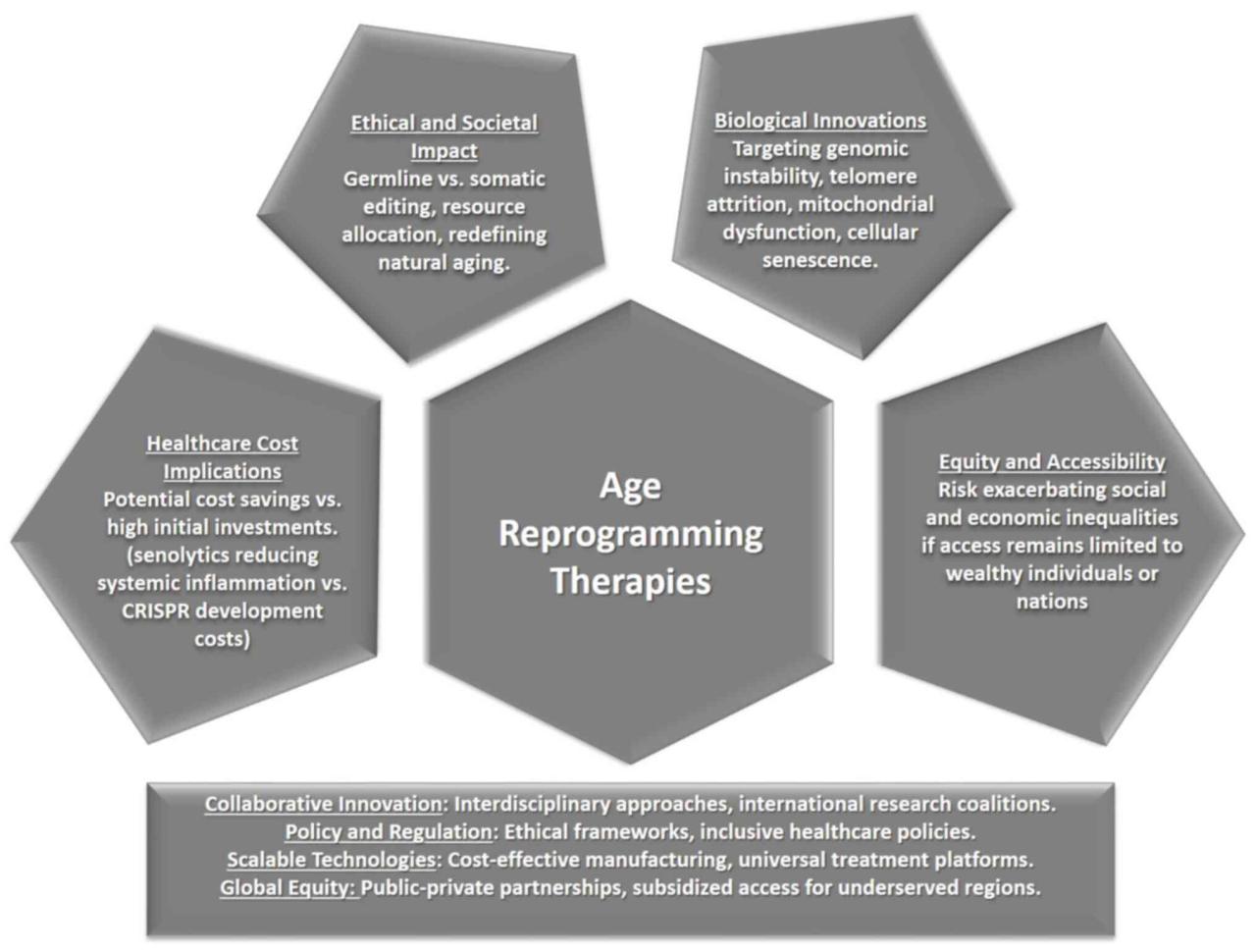
As life extension technologies continue to advance, the need for robust regulation and oversight becomes increasingly important. Without proper guidelines in place, there is a risk of unethical practices and potential harm to individuals and society as a whole.
Current Regulatory Landscape
The current regulatory landscape surrounding Anderson Longevity and similar advancements is still in its nascent stages. Different countries have varying levels of oversight and regulations in place to monitor the development and implementation of life extension technologies. Some regions may have more stringent guidelines, while others may have more relaxed policies.
- Regulatory bodies may require extensive clinical trials and evidence of safety and efficacy before approving new longevity treatments.
- Ethical committees may also play a role in evaluating the ethical implications of life extension technologies before they are made available to the public.
- International organizations like the World Health Organization (WHO) may provide guidelines and recommendations for the responsible development and deployment of longevity treatments on a global scale.
Strategies for Ethical Use
In order to ensure the ethical use and responsible development of longevity technologies, it is crucial to implement the following strategies:
- Establish clear guidelines and standards for the ethical use of life extension technologies, including principles of beneficence, non-maleficence, autonomy, and justice.
- Encourage transparency and accountability in the research and development process, with regular reporting and oversight mechanisms in place.
- Promote education and awareness among healthcare professionals, policymakers, and the general public about the ethical considerations surrounding life extension technologies.
Role of Oversight Bodies
Governments, international organizations, and ethical committees all have a role to play in overseeing the implementation of life extension treatments:
“Governments can enact laws and regulations to ensure the safety and efficacy of longevity technologies, while international organizations can provide guidance and support for global standards. Ethical committees can evaluate the moral implications of these advancements and provide recommendations for ethical use.”
Closure
The content of the concluding paragraph that provides a summary and last thoughts in an engaging manner
Commonly Asked Questions
What are the potential ethical dilemmas associated with extending human life?
Answer
What are the benefits of Anderson Longevity technologies in enhancing human lifespan?
Answer
How could the widespread adoption of Anderson Longevity influence healthcare systems globally?
Answer