

Delve into the world of balancing cortisol for long-term mental clarity with Anderson Longevity Insights. Discover the key strategies and insights that can help you achieve cognitive well-being and overall health.
Explore the impact of cortisol on mental clarity and how chronic stress can disrupt this delicate balance. Learn about practical lifestyle changes, diet tips, and holistic approaches to maintain optimal cortisol levels for improved cognitive function.
Introduction to Cortisol and Mental Clarity
When it comes to our overall well-being, cortisol plays a crucial role in our body's stress response system. This hormone, often referred to as the "stress hormone," is produced by the adrenal glands and helps regulate a wide range of processes, including metabolism, immune response, and blood pressure.
High levels of cortisol over an extended period can have a significant impact on mental clarity. Cortisol is known to impair cognitive function, memory retention, and the ability to focus. In situations of chronic stress or prolonged cortisol elevation, individuals may experience difficulty concentrating, making decisions, and processing information effectively.
Effects of Cortisol Imbalance on Cognitive Function
- Chronic Stress: Prolonged exposure to stress can lead to sustained high cortisol levels, impairing the brain's ability to function optimally.
- Sleep Disruption: Cortisol disruptions can interfere with sleep patterns, affecting cognitive performance and mental clarity.
- Memory Issues: Elevated cortisol levels have been linked to memory problems and difficulties in forming new memories.
- Anxiety and Depression: Imbalances in cortisol can contribute to the development of anxiety disorders and depression, impacting mental clarity and overall well-being.
Understanding the Effects of Chronic Stress
Chronic stress can have a significant impact on cortisol regulation, leading to dysregulation of this important hormone in the body. When stress becomes chronic, cortisol levels can remain elevated for extended periods, disrupting the body's natural balance.Effects on Mental Clarity
- Difficulty concentrating: Chronic stress can make it challenging to focus on tasks and maintain mental clarity.
- Memory issues: Prolonged stress has been associated with memory problems and cognitive decline over time.
- Brain fog: Individuals experiencing chronic stress often report feeling mentally foggy or unable to think clearly.
Long-Term Impact on Cognitive Function
- Neurological changes: Chronic stress can cause structural changes in the brain, affecting cognitive abilities and overall brain health.
- Increased risk of cognitive decline: Research suggests that prolonged exposure to high levels of cortisol due to chronic stress may increase the risk of cognitive decline and conditions like Alzheimer's disease.
- Impaired decision-making: People under chronic stress may struggle with decision-making processes, leading to poor choices and reduced cognitive function.
Strategies to Balance Cortisol Levels
Maintaining balanced cortisol levels is crucial for long-term mental clarity. By incorporating lifestyle changes, focusing on diet, and practicing mindfulness techniques, you can effectively manage your cortisol levels for improved mental well-being.Lifestyle Changes for Cortisol Regulation
- Regular exercise: Engaging in physical activity can help reduce cortisol levels and promote overall stress relief.
- Adequate sleep: Prioritizing quality sleep can regulate cortisol production and support a healthy stress response.
- Establishing boundaries: Setting boundaries in both personal and professional life can reduce stress triggers and lower cortisol levels.
Role of Diet in Balancing Cortisol
- Healthy eating habits: Consuming a balanced diet rich in fruits, vegetables, lean proteins, and whole grains can support cortisol regulation.
- Avoiding excessive caffeine and sugar: Limiting intake of stimulants like caffeine and sugar can prevent cortisol spikes and promote stable levels.
- Incorporating adaptogens: Certain herbs like ashwagandha and rhodiola can help manage cortisol levels and reduce stress impact on the body.
Mindfulness and Meditation Techniques
- Practicing deep breathing: Deep breathing exercises can help calm the nervous system and lower cortisol levels during stressful situations.
- Mindful meditation: Regular meditation sessions can promote relaxation, reduce anxiety, and support cortisol balance for enhanced mental clarity.
- Yoga and Tai Chi: Engaging in mind-body practices like yoga or Tai Chi can aid in stress reduction and cortisol management through mindful movement and breathing techniques.
Importance of Sleep for Cortisol Regulation
Sleep quality plays a crucial role in regulating cortisol levels in the body. Cortisol, known as the stress hormone, follows a natural rhythm throughout the day, with levels typically peaking in the morning to help us wake up and declining at night to promote relaxation and sleep. Disrupted sleep patterns or lack of quality sleep can lead to imbalances in cortisol levels, impacting overall health and mental clarity.Relationship between Sleep Quality and Cortisol Levels
Poor sleep quality can disrupt the natural cortisol rhythm, leading to elevated levels of cortisol in the body. This can result in increased stress, anxiety, and difficulty in managing emotions. On the other hand, getting sufficient and restful sleep allows the body to regulate cortisol effectively, promoting a sense of well-being and mental clarity.
Tips for Improving Sleep to Support Cortisol Balance
- Establish a consistent sleep schedule by going to bed and waking up at the same time every day.
- Create a relaxing bedtime routine to signal to your body that it's time to wind down, such as reading a book or taking a warm bath.
- Avoid stimulants like caffeine and electronics before bedtime, as they can interfere with your ability to fall asleep.
- Ensure your sleep environment is comfortable, cool, dark, and quiet to promote restful sleep.
- Practice relaxation techniques such as deep breathing or meditation to reduce stress and promote relaxation before bedtime.
Impact of Lack of Sleep on Mental Clarity due to Cortisol Disruption
A lack of sleep can disrupt cortisol levels, leading to cognitive issues such as difficulty concentrating, memory problems, and mood swings. Chronic sleep deprivation can impair cognitive function and overall mental clarity, making it essential to prioritize restful sleep for optimal cortisol regulation and mental well-being.
Physical Activity and Cortisol Management
Regular physical activity plays a crucial role in managing cortisol levels, which in turn can significantly impact long-term mental clarity. Exercise has the power to regulate cortisol production and promote overall well-being.How Exercise Influences Cortisol Levels
Regular exercise has been shown to decrease cortisol levels in the body. Physical activity helps to reduce stress and anxiety, which are major contributors to elevated cortisol levels. By engaging in regular workouts, individuals can effectively manage their cortisol production and maintain a healthy balance.Types of Physical Activity Beneficial for Cortisol Regulation
- Aerobic exercises such as running, cycling, and swimming have been found to be particularly effective in regulating cortisol levels. - Strength training, including weightlifting and bodyweight exercises, can also help in managing cortisol production. - Mind-body exercises like yoga and Tai Chi not only reduce cortisol levels but also promote relaxation and mental clarity.Examples of How Regular Exercise Contributes to Long-Term Mental Clarity
- Consistent physical activity can improve overall mood and reduce feelings of stress and anxiety, leading to lower cortisol levels. - Regular exercise promotes better sleep quality, which is essential for optimal cortisol regulation. - The release of endorphins during exercise can enhance mental clarity and focus, contributing to long-term cognitive function.Holistic Approaches to Cortisol Balance
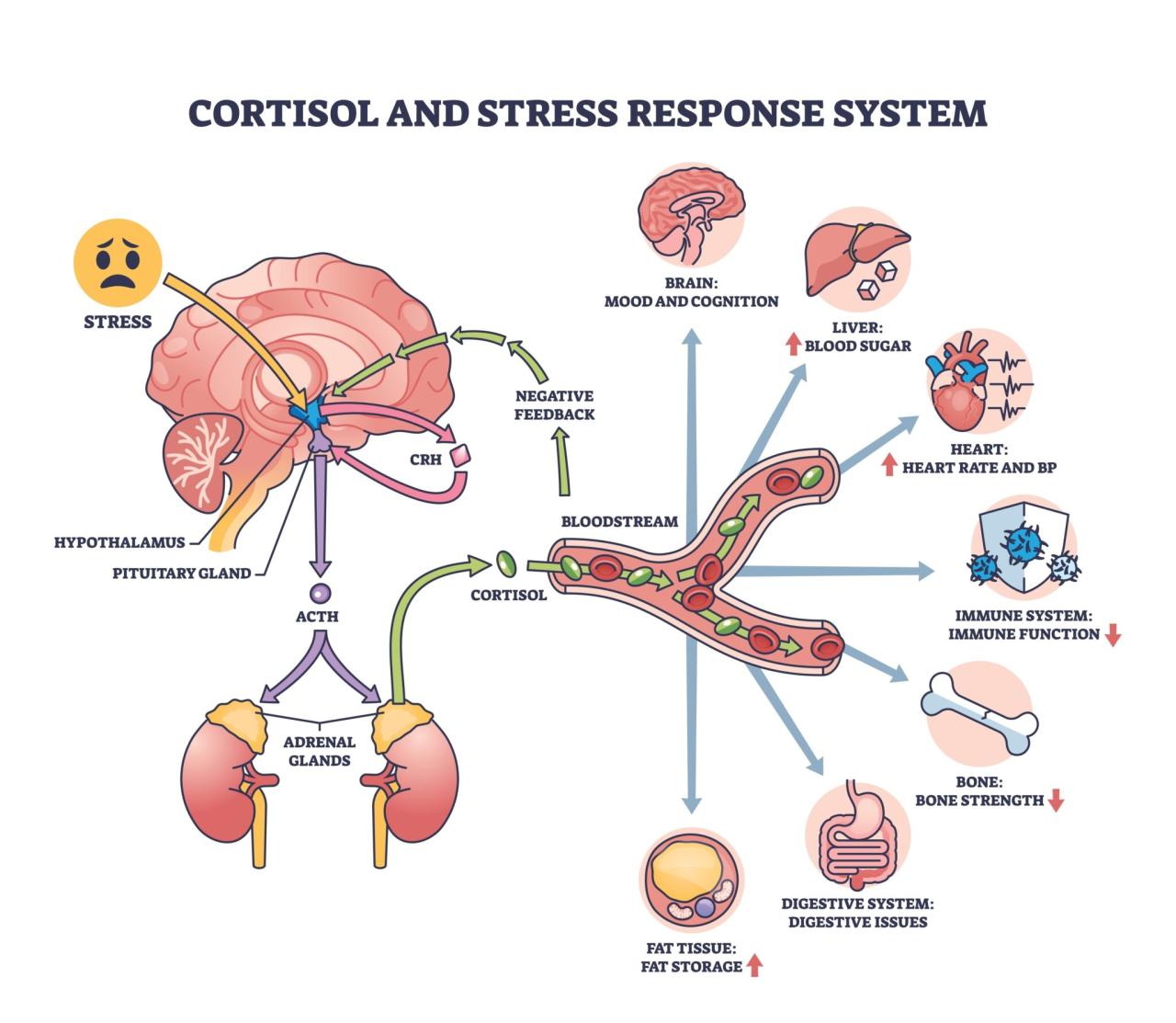 When it comes to managing cortisol levels for long-term mental clarity, holistic approaches can play a significant role in maintaining balance. These approaches encompass various alternative therapies and lifestyle changes that aim to address cortisol imbalances from a comprehensive perspective.
Alternative Therapies for Cortisol Management
- Acupuncture: This traditional Chinese medicine practice involves the insertion of thin needles into specific points on the body to help regulate energy flow and reduce stress. Acupuncture has been shown to lower cortisol levels and promote relaxation.
- Yoga: Practicing yoga regularly can help reduce cortisol levels by combining physical postures, breathing techniques, and meditation. Yoga is known to improve stress resilience and promote a sense of calmness and well-being.
The Role of Social Connections
- Social Connections: Cultivating strong social connections and relationships can have a positive impact on cortisol levels. Spending time with loved ones, engaging in meaningful conversations, and participating in social activities can help reduce stress and promote emotional well-being.
- Support Systems: Building a strong support system of friends, family, or support groups can provide emotional support during challenging times, helping to buffer the effects of stress on cortisol regulation.
Creating a Holistic Approach
- Mind-Body Practices: Incorporating mind-body practices such as mindfulness meditation, deep breathing exercises, or progressive muscle relaxation can help reduce cortisol levels and promote relaxation.
- Diet and Nutrition: Eating a balanced diet rich in whole foods, antioxidants, and nutrients can support adrenal health and cortisol regulation. Avoiding excessive caffeine, sugar, and processed foods can also help maintain balance.
Last Word
In conclusion, Anderson Longevity Insights shed light on the importance of cortisol balance for sustained mental clarity. By implementing the strategies discussed, you can proactively manage your cortisol levels and enhance your overall cognitive well-being.
FAQ Overview
How does cortisol affect mental clarity?
Cortisol levels can impact mental clarity by influencing cognitive function and emotional regulation.
What lifestyle changes can help regulate cortisol levels?
Practicing mindfulness, incorporating regular exercise, and maintaining a healthy diet can all contribute to cortisol regulation.
Is lack of sleep linked to cortisol disruption?
Yes, inadequate sleep can disrupt cortisol levels, affecting mental clarity and overall well-being.